Surgery & injury
Is Swelling Normal After Surgery? What to Watch
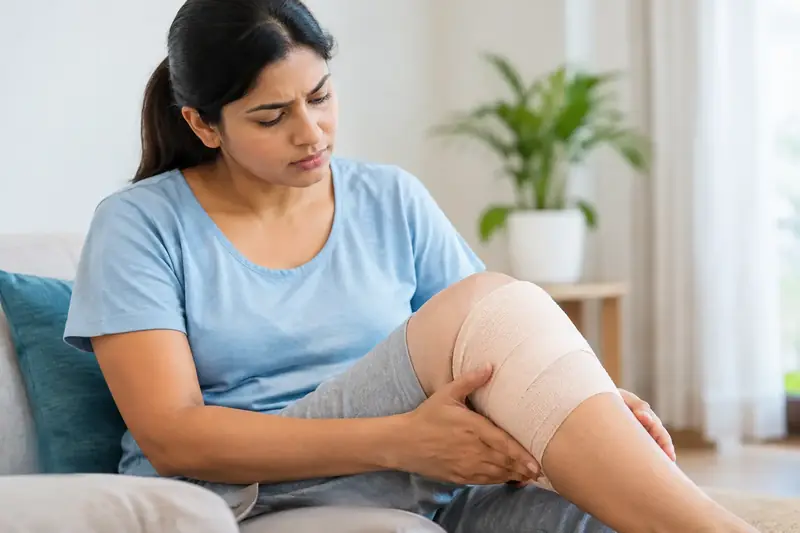
A knee that feels tight after replacement, an ankle that will not fit comfortably into a shoe, or a hand that looks puffier by evening can be unsettling. Patients often ask, is swelling normal after surgery? In many cases, yes. Swelling is a common part of the body’s healing response. But the amount, timing, location, and symptoms that come with it matter.
The goal is not simply to make swelling disappear as fast as possible. It is to protect healing tissue while restoring safe movement, strength, walking confidence, and the everyday activities that matter to you.
Is swelling normal after surgery?
Surgery creates a controlled injury to the body. Even when an operation is planned and successful, the skin, muscles, joint tissues, blood vessels, and sometimes bone need time to recover. Your body sends extra fluid, blood cells, and healing substances to the area. That response can cause swelling, warmth, stiffness, bruising, and a feeling of pressure.
After orthopedic surgery, swelling is particularly common because movement is reduced for a while. The calf muscles normally help return fluid from the lower leg toward the heart when you walk. If pain, a brace, crutches, or limited weight bearing reduce that muscle activity, fluid can collect around the ankle, foot, knee, or lower leg.
Mild to moderate swelling that improves with rest, elevation, and your prescribed recovery plan is usually expected. It may fluctuate through the day, often increasing after activity and settling overnight. Swelling can last longer than many people expect. Following a joint replacement, ligament repair, fracture fixation, or major tendon surgery, it may continue for weeks or months while gradually becoming less noticeable.
That said, normal does not mean ignore it. New, rapidly worsening, one-sided, or painful swelling deserves attention, especially when it does not match the recovery guidance provided by your surgical team.
What healing swelling usually looks like
Expected post-surgical swelling is generally centered around the surgical area or, in the case of leg surgery, may move downward with gravity into the calf, ankle, and foot. The skin can feel stretched, and the joint may feel stiff, especially after sitting or lying in one position.
You may notice that your range of motion is worse when the area is more swollen. A swollen knee can make bending difficult. A swollen shoulder or hand can make dressing, reaching, gripping, or using a keyboard uncomfortable. This is one reason rehabilitation does not focus on exercises in isolation. It connects swelling management and gradual movement to real tasks such as getting out of a chair, climbing stairs, sleeping comfortably, or returning to work.
A useful pattern to watch is whether swelling settles after you reduce activity and use the methods approved by your surgeon. If it does, your body may be telling you that the activity dose was a little too high, not that you have failed your recovery.
When swelling needs urgent medical advice
Contact your surgeon or healthcare provider promptly if swelling is suddenly worse, keeps increasing despite rest, or is accompanied by symptoms that feel different from your expected recovery. Do not wait for a routine therapy appointment if you have concerns.
Seek urgent medical care for chest pain, shortness of breath, coughing up blood, fainting, or a racing heartbeat. These can be signs of a serious complication, including a blood clot that has traveled to the lungs.
Call your surgical team urgently if you have any of the following:
- Increasing redness, warmth, drainage, a bad odor from the incision, fever, or chills, which can suggest infection
- Severe calf pain, marked tenderness, new swelling in one leg, or skin that becomes red or discolored, which may indicate a blood clot
- Numbness, tingling, weakness, a cold limb, blue or pale toes or fingers, or pain that feels severe and out of proportion
- An incision that opens, bleeding that will not stop, or a sudden loss of movement after a fall or twist
These symptoms do not always mean a serious problem is present, but they need timely clinical assessment. A physiotherapist can identify concerning changes during rehabilitation, but cannot replace urgent medical evaluation when red flags appear.
How to reduce swelling safely after surgery
Your surgeon’s instructions come first. Restrictions vary widely depending on the procedure, the tissue repaired, your general health, and whether you are allowed to bear weight or move the joint freely. For example, a person after a knee replacement may be encouraged to walk short distances early, while a person after a tendon repair may need stricter protection.
Use elevation with purpose
For lower-limb surgery, elevating the leg can help fluid move away from the foot and ankle. When appropriate, support the whole limb rather than placing a pillow directly behind the knee for long periods. Keeping the knee bent for too long may make it harder to regain full straightening after some procedures.
The best position depends on the surgery. Ask your surgeon or physiotherapist how high, how often, and in what position to elevate. Comfort and circulation matter as much as the height of the limb.
Keep moving within your precautions
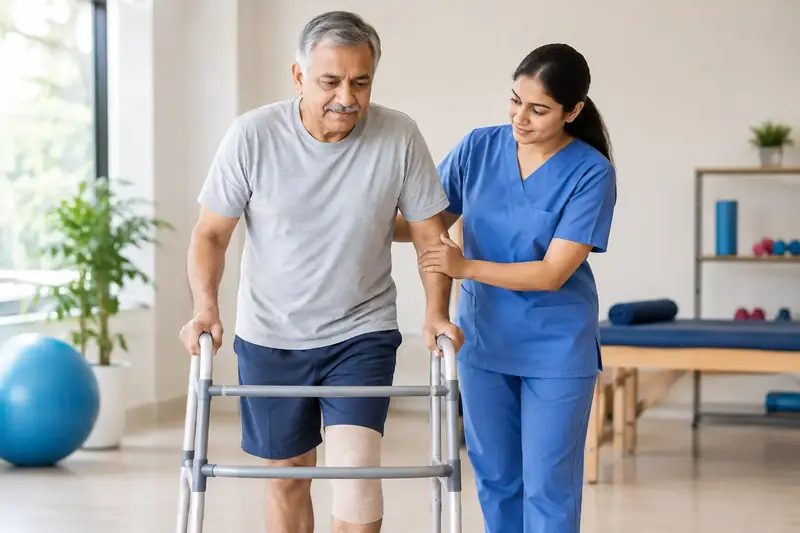
Complete rest can make swelling, stiffness, weakness, and loss of confidence worse. Gentle movement helps circulation and reminds the body how to use the area again. This might include ankle pumps, short walks with a walker, prescribed knee bends, hand opening and closing, or breathing exercises.
The right amount is individual. If a new activity causes swelling that remains significantly worse into the next day, the dose may need adjusting. Rehabilitation is a progression: protect, restore movement, rebuild strength, retrain balance and control, then return to the demands of home, work, and sport.
Use cold or compression only when approved
Cold packs can reduce pain and may help manage swelling in the early stages. Protect the skin with a cloth layer and follow the timing recommended by your care team. Avoid falling asleep with a cold pack in place, and be especially careful if you have reduced sensation, circulation problems, or diabetes.
Compression stockings, wraps, or sleeves may be useful after some surgeries, but they are not right for everyone. They must fit correctly and should not cause numbness, tingling, skin color changes, or increasing pain. Ask before using them, particularly if you have vascular disease or concerns about a clot.
Support recovery beyond the incision
Hydration, regular meals with adequate protein, sleep, and following medication instructions all influence healing. So does pacing. It is tempting to catch up on chores or take a long outing on the first good day. Yet an activity spike can leave a joint or limb more swollen and sore for days.
A steadier approach is more productive: do what your body can recover from, assess the response, and progress gradually. That is how you rebuild capacity without repeatedly aggravating symptoms.
Why physiotherapy matters when swelling lingers
Persistent swelling can change how you move. You may limp to avoid loading a painful knee, hold your shoulder still, or rely heavily on the stronger side of your body. These compensations can lead to stiffness, reduced muscle activation, poor balance, and loss of confidence even after the incision has healed.
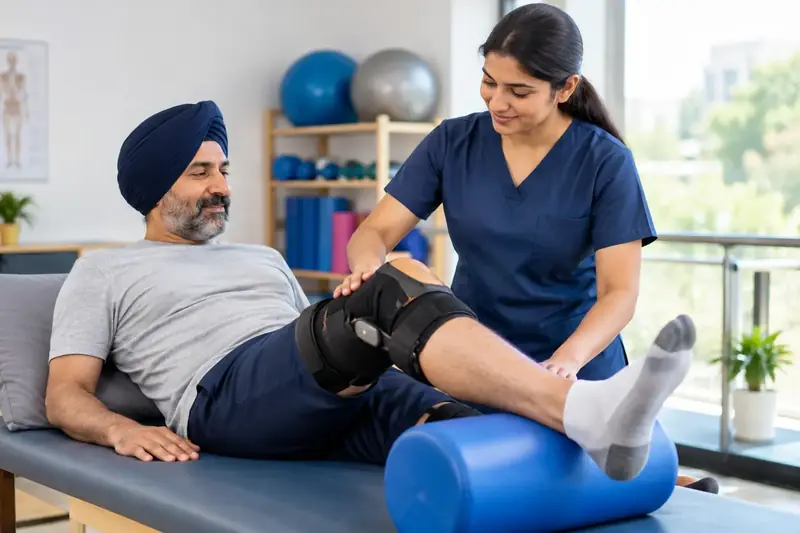
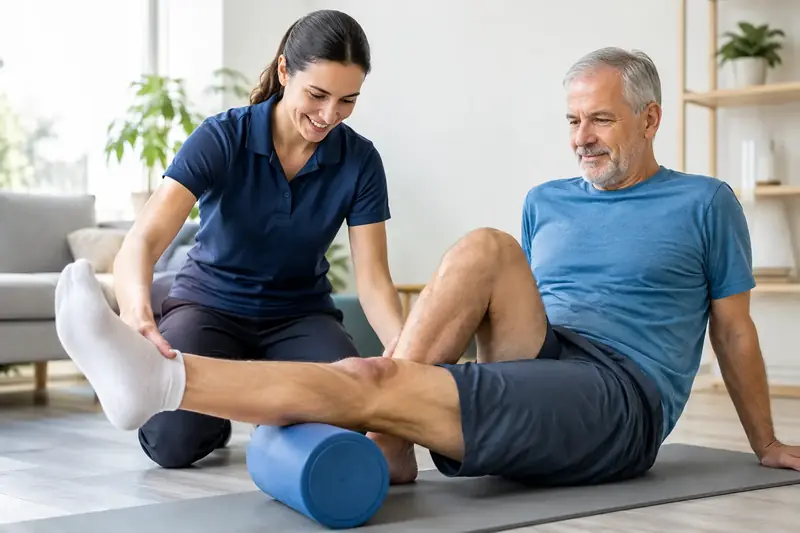
A physiotherapy assessment looks beyond the swollen area. It considers walking pattern, joint motion, muscle strength, balance, scar mobility when appropriate, and the specific movements you need for daily life. Your plan may include circulation exercises, gradual range-of-motion work, strengthening, gait retraining, and practical strategies for stairs, transfers, work tasks, or safe return to exercise.
For some people, water-based rehabilitation can offer a lower-impact way to start moving again once the wound is fully healed and medical clearance is given. The water can support body weight while allowing controlled walking and exercise. It is not a shortcut, but it can be a useful bridge back to land-based strength and function.
A simple way to monitor your recovery
Instead of judging recovery by one swollen day, look for trends. Is the swelling gradually less intense from week to week? Does it settle more quickly after activity? Are you walking a little farther, sleeping better, or finding daily tasks easier?
Keep note of changes that matter: how your limb looks in the morning and evening, whether shoes or clothing feel tighter, how far you can walk, and whether pain or swelling increases after a particular exercise. This gives your surgeon and physiotherapist useful information to adjust the plan safely.
Healing is rarely perfectly linear. A temporary increase in swelling after a more active day can be part of recovery. The key is responding early, respecting your precautions, and getting help when symptoms do not feel right. With the right guidance, each small gain in movement can become a meaningful return to independence and confidence.
Want a plan for your own recovery?
Book an assessment with Dr. Neha Mittal, MPT (Neurology), in Sector 104, Mohali.
This guide is general information, not a diagnosis. See the medical disclaimer.