Surgery & injury
Joint Replacement Recovery in the First 12 Weeks

The first time you stand after joint replacement surgery can feel surprisingly unfamiliar. Your leg may feel heavy, your balance may be different, and even a few steps can require concentration. That does not mean recovery is going badly. Joint replacement recovery is a structured process of helping your body heal while retraining the movements that let you walk, climb stairs, sleep comfortably, work, and return to the routines that matter to you.
Whether you have had a hip, knee, shoulder, or another joint replaced, the goal is more than reducing pain. It is to restore practical confidence in your body. The pace is personal, and your surgeon’s instructions always come first, but focused rehabilitation helps turn early movement into lasting function.
What Joint Replacement Recovery Is Really Building
A replacement joint can address the damaged surfaces that caused pain and stiffness, but surgery alone does not immediately restore strength, coordination, or trust in movement. Muscles may have weakened before surgery because pain made you less active. Swelling can limit motion, and the nervous system may continue to guard the area even after the joint has been repaired.
Rehabilitation addresses these pieces together. Early care protects the surgical site and supports safe circulation. Then the focus gradually shifts to range of motion, muscle control, walking mechanics, balance, endurance, and the specific demands of your daily life.
For one person, success may mean getting in and out of a car without help. For another, it may mean returning to a desk job, managing stairs at home, kneeling safely for prayer, or getting back to weekend walks. A good rehabilitation plan starts with those real-life goals rather than a generic exercise sheet.
The First Days: Protect, Move, and Manage Swelling
In the first several days, your care team will usually encourage safe, gentle movement soon after surgery. Depending on the procedure and your medical status, this may include getting out of bed, standing with support, short walks with a walker or crutches, and simple circulation exercises.
Pain and swelling are expected during this stage. They should be managed, not ignored. Use medications only as prescribed, follow your surgeon’s guidance on ice, elevation, wound care, and compression, and take rest breaks before exhaustion sets in. Pushing through sharp pain is not a sign of commitment. It can increase swelling, change your walking pattern, and make it harder to complete the exercises that truly support progress.
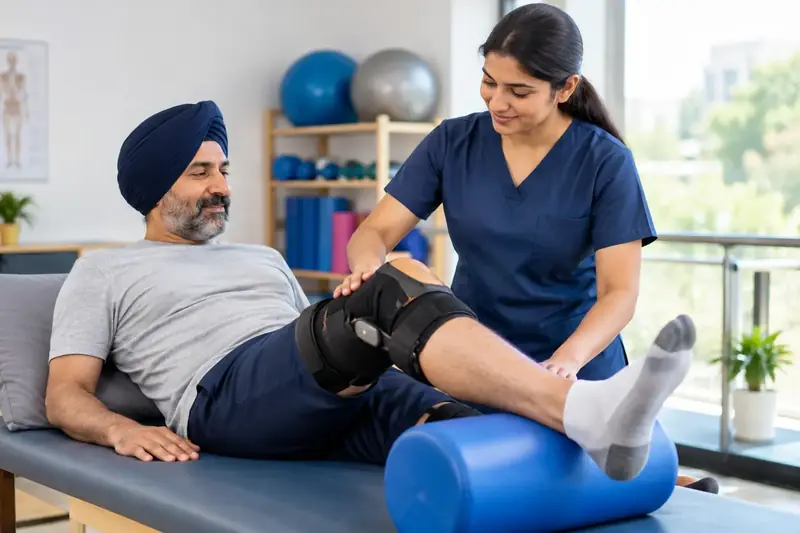
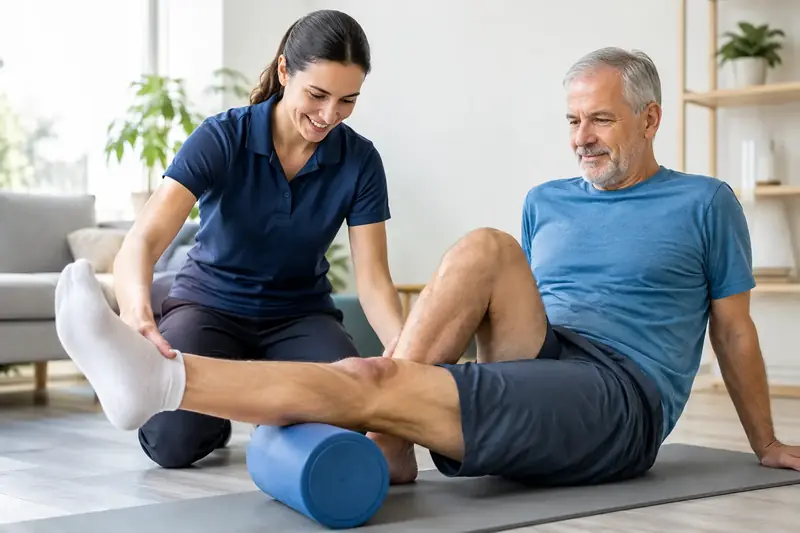
Your physiotherapist may begin with gentle muscle activation and joint movement. After knee or hip surgery, this often includes exercises for the ankle, thigh, buttock, and walking pattern. After shoulder replacement, therapy may initially focus more on protected positioning and carefully prescribed assisted movement. The exact precautions vary considerably, especially for different types of shoulder and hip procedures, so avoid copying another patient’s plan.
Weeks 1 to 6: Rebuild Basic Mobility
The early weeks are often about creating steady, repeatable gains. You may still use a walker, cane, sling, or other support, but the aim is to use it well and progress when it is safe, not to discard it too quickly.
Walking is a common priority after hip and knee replacement. At first, distance matters less than quality. A short walk with an even, supported pattern is more useful than a longer walk that causes limping and excessive fatigue. Your physiotherapist can assess how you transfer from a chair, turn, manage uneven surfaces, and use stairs, then select exercises that improve the weak links.
Range of motion is also important, but it needs the right balance. A knee that remains very stiff may interfere with sitting, stairs, and normal walking. A shoulder that is moved beyond its surgical precautions may be irritated or placed at risk. Progress should be purposeful rather than forced.
During this phase, many people notice good and bad days. Swelling may increase after therapy, sleep may be interrupted, and simple tasks can take longer than expected. This is frustrating, but it is common. Track progress over a week or two rather than judging recovery by one difficult afternoon.
Making Your Home Work for Recovery
A safe home setup reduces unnecessary strain while you build strength. Keep walking routes clear, use stable footwear, and place frequently used items within easy reach. If stairs are unavoidable, practice the method recommended by your therapist until it feels automatic.
Plan small bursts of activity with recovery time between them. Standing to prepare a meal, taking a short walk, and doing your exercises may be enough for one part of the day early on. Recovery improves through consistent loading and adequate rest, not by trying to complete every household task at once.
Weeks 6 to 12: From Exercises to Everyday Function
As healing progresses and your surgeon clears you for more activity, rehabilitation usually becomes more active. The focus shifts from simply moving the joint to using it with greater strength, control, and confidence.
For knee and hip replacement recovery, this may include stronger sit-to-stands, step-ups, controlled squats, balance work, longer walks, and practice with stairs. For shoulder replacement recovery, the program may advance toward active reaching, lifting light objects, and rebuilding the control needed for dressing, grooming, and household tasks.
This stage is where function-first physiotherapy matters. If your goal is to return to work, treatment should consider your commute, desk setup, standing tolerance, or lifting requirements. If you want to resume exercise, the plan should rebuild the movement patterns and capacity your activity requires. The right next step depends on your surgical procedure, healing, strength, and movement quality – not just the number of weeks since surgery.
Aqua therapy can be helpful for some people once the incision is fully healed and the surgeon has approved pool activity. Water can reduce impact and provide gentle resistance, making it easier to practice walking, balance, and controlled strengthening. It is not a shortcut, and it does not replace land-based rehabilitation, but it can be a useful clinical complement when joint loading on land is still uncomfortable.
Common Setbacks and When to Ask for Help
Some soreness after exercise is normal, particularly when you begin a new activity or increase walking. However, pain that becomes progressively worse, swelling that does not settle with rest, or a noticeable loss of movement should be discussed with your care team.
Contact your surgeon promptly for signs that may require medical attention, such as fever, chills, drainage or increasing redness around the incision, sudden calf pain or swelling, chest pain, shortness of breath, or a sudden inability to bear weight or move the joint as before. These symptoms should not be managed by simply changing your home exercises.
Less urgent barriers also deserve attention. Fear of falling, a persistent limp, trouble sleeping, difficulty with stairs, or uncertainty about how much activity is safe can slow progress if left unaddressed. A physiotherapy assessment can identify whether the issue is strength, mobility, balance, technique, pain sensitivity, or an activity level that needs adjusting.
How to Support a Better Recovery
Consistency usually matters more than intensity. Complete the exercises prescribed for you, but ask for clarification if you do not understand their purpose or correct form. Rehabilitation should feel challenging at times, yet it should be clear why you are doing each movement and how it connects to a daily task.
Nutrition, hydration, sleep, and medication management also affect recovery. Adequate protein and regular meals support healing. Rest helps your body adapt to therapy. If sleep is difficult because of pain or positioning, discuss it with your surgeon or physiotherapist rather than accepting it as unavoidable.
It also helps to set short-term goals. Instead of focusing only on the distant goal of feeling “normal,” work toward meaningful milestones: walking safely to the mailbox, preparing a meal while standing comfortably, getting through the night with fewer interruptions, or climbing a flight of stairs with better control. These improvements build momentum.
At PhysioRebound, rehabilitation is guided by what you need your body to do, from safe walking and balance to work, exercise, and independent daily routines. Recovery may not move in a straight line, but each well-planned step gives you something more valuable than a stronger joint: confidence to use it.
Want a plan for your own recovery?
Book an assessment with Dr. Neha Mittal, MPT (Neurology), in Sector 104, Mohali.
This guide is general information, not a diagnosis. See the medical disclaimer.