Knee & ankle
Knee Buckling: Causes, Warning Signs, and Recovery
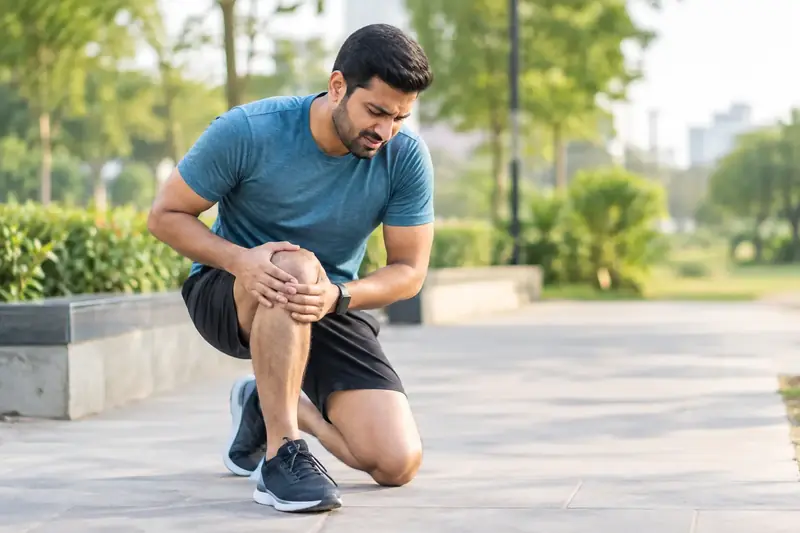
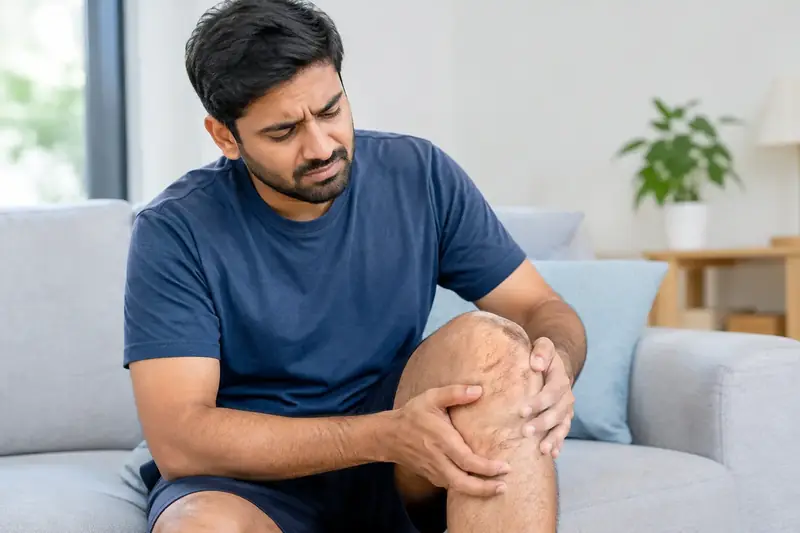
A knee that suddenly gives way can turn an ordinary step into a moment of panic. Knee buckling may happen on stairs, while getting up from a chair, during a turn, or when carrying something across the room. Sometimes it is linked to pain or a recent injury. Other times, it appears after surgery, illness, or a period of being less active. Whatever the trigger, the concern is understandable: if you cannot trust your knee, walking, working, exercising, and moving independently all feel harder.
Knee buckling is a symptom rather than a diagnosis. It means the knee briefly feels unable to support you, often causing a wobble, a dip, or the feeling that the leg will collapse. A proper assessment looks beyond the moment it happens to understand why it is happening and what needs to be rebuilt for safer movement.
Why Knee Buckling Happens
The knee relies on more than strong bones and ligaments. It needs the thigh, hip, calf, and core muscles to work in sequence. It also depends on balance, joint position awareness, and the brain’s ability to respond quickly when your foot meets the ground. A problem in one part of this system can make the knee feel unreliable.
Pain is one common cause. When the knee is painful from arthritis, a meniscus irritation, a ligament injury, or swelling after a fall, the quadriceps muscle at the front of the thigh may not switch on fully. This is a protective response, but it can make the leg feel weak at exactly the point when it needs to take your weight.
True muscle weakness can also contribute. After knee surgery, a fracture, prolonged bed rest, or a period of avoiding activity because of pain, the quadriceps and hip muscles can lose strength and control. Going downstairs, lowering into a chair, or stepping off a curb may then expose the weakness more than level walking does.
In some cases, the issue is mechanical instability. An anterior cruciate ligament, or ACL, injury can create a sense of giving way during pivots, sudden stops, or direction changes. A kneecap that does not track well may shift or feel unstable. Cartilage or meniscus problems can occasionally cause catching or locking, which changes how the knee accepts weight.
Balance and nerve-related factors matter too. Reduced sensation in the feet, nerve irritation from the lower back, dizziness, or poor balance reactions can all affect how confidently and accurately you place the leg. This is why an assessment should not focus on the knee alone. The way you walk, stand, turn, and transfer from sitting to standing often provides valuable clues.
When a Buckling Knee Needs Urgent Attention
A knee that gives way once after an unusually demanding day is different from repeated episodes, especially if they are causing falls. Seek prompt medical assessment after a significant twist, fall, or sports injury if you heard a pop, have rapid swelling, cannot bear weight, notice a visible deformity, or cannot straighten the knee.
Urgent care is also appropriate if knee buckling comes with new numbness, marked leg weakness, loss of bladder or bowel control, severe calf swelling, chest pain, shortness of breath, fever, or a hot, red, severely swollen joint. These symptoms may point to problems that need medical attention beyond routine rehabilitation.
Even without these warning signs, arrange an assessment if the knee repeatedly gives way, you have fallen, or you have started avoiding stairs and walking because you do not feel safe. The goal is not simply to wait for confidence to return. It is to identify what is limiting control and address it progressively.
What a Physiotherapy Assessment Looks For
A useful assessment begins with your story. When does the knee buckle? Does it happen with pain, swelling, clicking, numbness, or a feeling of the kneecap shifting? Did it begin after an injury, surgery, infection, or a change in activity? The answers help distinguish between strength loss, joint irritation, balance concerns, and potential structural injury.
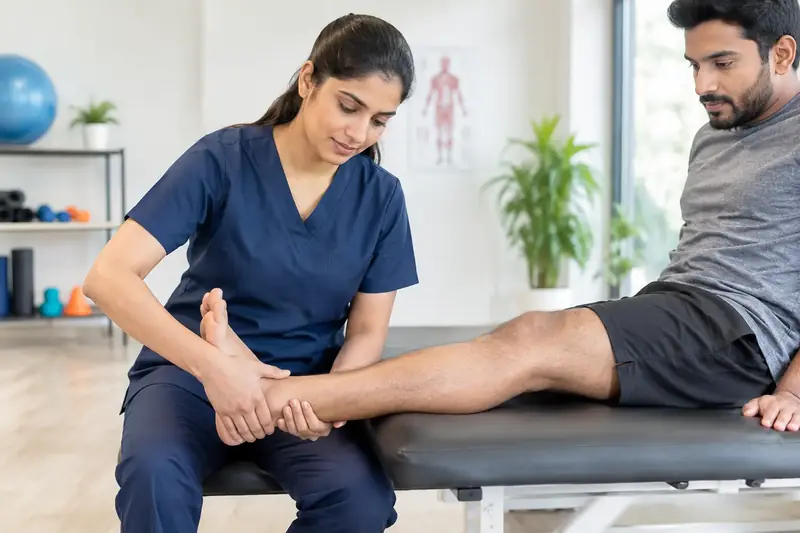
Your physiotherapist will then assess movement that matters in daily life. This may include walking, stair control, standing from a chair, stepping, turning, and single-leg balance where appropriate. They may check knee motion, swelling, muscle activation, hip strength, balance reactions, and the contribution of the ankle and lower back.
This function-first approach matters because two people with the same scan result may need different rehabilitation plans. One person may need to return to office stairs and a commute. Another may want to get back to running, field sports, or caring for family at home. Recovery should be measured by what your knee allows you to do safely, not only by how it feels on the treatment table.
Rehabilitation for Knee Buckling
Treatment depends on the cause, irritability of the joint, and your current ability. If the knee is swollen and painful, the first priority may be settling symptoms, restoring comfortable motion, and helping the quadriceps activate again. Pushing into difficult exercises too early can increase pain and reinforce guarding.
As the knee tolerates more load, rehabilitation usually progresses toward strength and control. Exercises may begin with supported weight shifts, sit-to-stands, and controlled knee extensions. They can advance to step-ups, squats, lunges, single-leg work, and task-specific drills. The right exercise is not necessarily the hardest one. It is the one you can perform with good alignment, appropriate effort, and increasing confidence.
Hip strength is often included because the hip helps guide the thigh and knee during walking, stairs, and landing. Balance training is equally valuable for people who feel unsteady or who have become fearful after a near-fall. Practicing controlled changes of direction, stepping over obstacles, and reacting to small movement challenges can help restore trust in the leg.
For some people, aqua therapy offers a useful bridge between pain and land-based exercise. Water buoyancy reduces the load through the joint while still allowing walking practice, strengthening, range-of-motion work, and balance challenges. It is not a replacement for all land-based rehabilitation, since everyday movement happens on land, but it can make early exercise more comfortable for a painful or deconditioned knee.
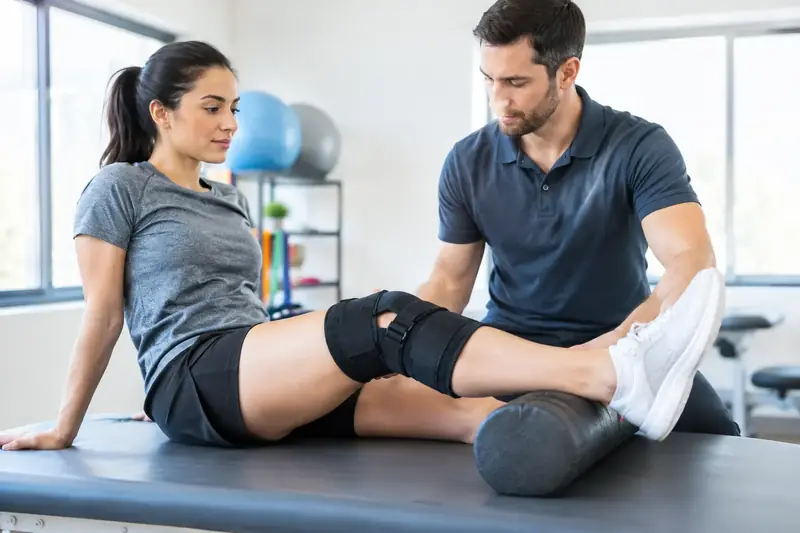
Supportive devices may have a role, particularly in the short term. A cane, brace, or temporary change in footwear may improve safety while strength and control are being restored. However, these tools work best as part of a plan, not as the whole plan. Relying on them without retraining movement can leave the underlying weakness or instability unaddressed.
Everyday Steps While You Recover
Until you understand why your knee is buckling, reduce situations where a sudden loss of control could lead to a fall. Use a handrail on stairs, avoid rushing through turns, keep frequently used items within easy reach, and choose stable footwear with good grip. If your knee feels unreliable, carrying heavy items on stairs or walking on uneven ground alone may not be wise.
It can also help to notice patterns. Keep track of whether buckling occurs after sitting for a long time, later in the day, during downhill walking, or only with twisting. This information gives your clinician a clearer picture and helps guide treatment progression.
Avoid the temptation to test the knee repeatedly by pushing through sharp pain or deliberately trying challenging movements alone. Confidence is rebuilt through successful, repeated practice at the right level. Small gains matter: standing from a chair without using your hands, walking through a store without hesitation, or taking stairs with more control are meaningful signs that recovery is moving forward.
A buckling knee deserves attention because safe movement is about more than pain relief. With a clear assessment and a progressive plan to restore strength, balance, and control, many people can return to the routines that make them feel independent and capable again.
Want a plan for your own recovery?
Book an assessment with Dr. Neha Mittal, MPT (Neurology), in Sector 104, Mohali.
This guide is general information, not a diagnosis. See the medical disclaimer.